- HOA Leaders' Brief
- Posts
- Predictive Dispute Prevention Algorithms
Predictive Dispute Prevention Algorithms
In partnership with


Good morning!
As we close out January on its final Monday, I’m proud of the focus and discipline we’ve set early this year. The pace is picking up, and the habits we’re building now will carry us through the quarters ahead. Let’s keep executing with intention and make 2026 count from the start.
— Lucas Robinson, Founder & CEO at BudgetMailboxes.com
🎯 This Week’s Strategy:
Predictive Dispute Prevention Algorithms
🌐 Boardroom Brief:
Florida Bill Signals Major Shift in HOA Dispute Resolution and Governance Oversight
Strategy
🎯 Predictive Dispute Prevention Algorithms
Disputes are one of the most time-consuming and costly challenges facing Homeowners’ Associations. From architectural violations and parking complaints to payment issues and rule enforcement, conflicts can escalate quickly - eroding trust, draining board resources, and, in some cases, leading to legal action. Predictive Dispute Prevention Algorithms offer HOA leaders a proactive way to identify patterns of tension before they become formal disputes.
Rather than reacting to problems after they arise, this strategy uses historical data, behavioral indicators, and trend analysis, often embedded within modern property management software to flag early warning signs. The result is earlier intervention, more consistent enforcement, and a calmer, more collaborative community environment.
How HOA Leaders Can Implement a Predictive Dispute Prevention Strategy
1. Centralize and Standardize Community Data
Predictive insights are only as good as the data behind them. The first step is ensuring that all relevant community interactions are consistently tracked in one system.
Action Steps:
Consolidate violation records, architectural requests, maintenance complaints, payment histories, and resident communications into a single property management platform.
Standardize categories and terminology (e.g., types of violations, response times, outcomes) to ensure data consistency.
Train board members and managers to log interactions objectively and promptly.
2. Identify High-Risk Patterns and Triggers
Once data is centralized, patterns often emerge that signal increased risk of disputes.
Action Steps:
Review trends such as repeat violations by the same households, delayed response times, or spikes in complaints tied to specific rules or amenities.
Look for seasonal or situational triggers (e.g., parking disputes during holidays, landscaping complaints in spring).
Use software analytics or simple reporting tools to flag recurring issues early.
3. Apply Early, Low-Intensity Interventions
The goal is not enforcement escalation, it is de-escalation. Predictive insights allow boards to intervene sooner and more diplomatically.
Action Steps:
Send proactive, educational reminders before common problem periods (e.g., parking rules before holiday weekends).
Use informal outreach courtesy notices or manager check-ins before issuing formal violation letters.
Offer clarification or flexibility where rules are frequently misunderstood.
4. Ensure Consistent and Transparent Enforcement
Inconsistency is a major driver of HOA disputes. Predictive tools help boards identify where enforcement gaps may exist.
Action Steps:
Compare enforcement actions across similar violations to ensure uniform treatment.
Adjust policies or procedures when data shows repeated friction around the same rule.
Document decision-making processes to support fairness and defensibility.
5. Communicate Insights Without Creating Surveillance Concerns
Residents should experience this strategy as improved service, not monitoring.
Action Steps:
Frame changes as part of the board’s commitment to fairness, clarity, and conflict reduction.
Share aggregate insights (not individual data) in newsletters or meetings, such as “We noticed recurring confusion around guest parking and are clarifying the policy.”
Reinforce that the goal is fewer disputes, faster resolutions, and a better community experience.
Why It Matters
Predictive Dispute Prevention Algorithms shift HOA governance from reactive to strategic. By addressing issues earlier and more consistently, boards reduce legal risk, lower management burden, and foster a more cooperative community culture. In an environment where resident expectations are rising and volunteer board time is limited, preventing disputes before they escalate is not just efficient, it is essential to sustainable HOA leadership.
Earn Your Certificate in Real Estate Investing from Wharton Online

The Wharton Online + Wall Street Prep Real Estate Investing & Analysis Certificate Program is an immersive 8-week experience that gives you the same training used inside the world’s leading real estate investment firms.
Analyze, underwrite, and evaluate real estate deals through real case studies
Learn directly from industry leaders at firms like Blackstone, KKR, Ares, and more
Earn a certificate from a top business school and join a 5,000+ graduate network
Use code SAVE300 at checkout to save $300 on tuition.
Program starts February 9.
Boardroom Brief
Florida Bill Signals Major Shift in HOA Dispute Resolution and Governance Oversight
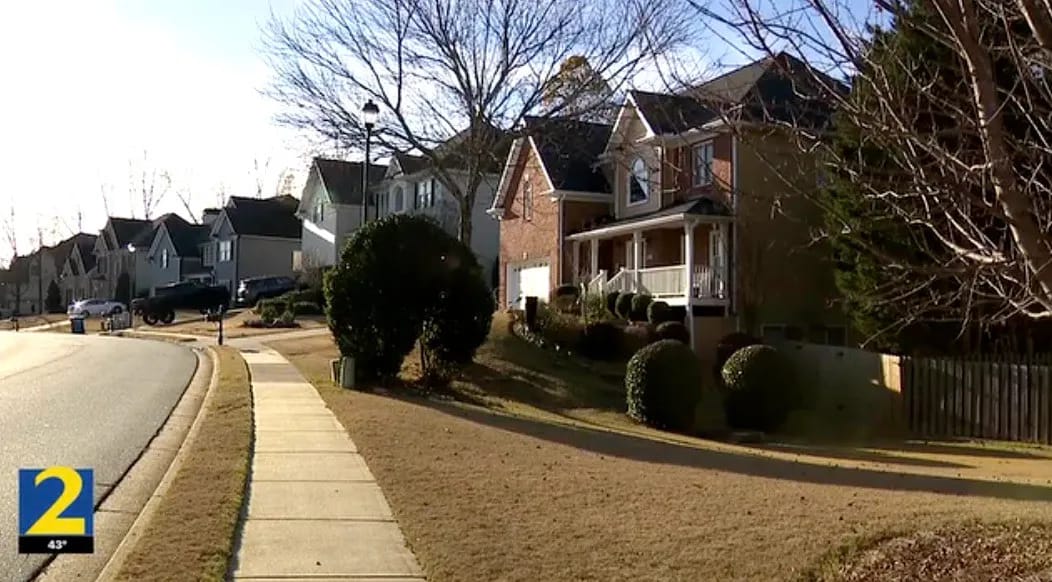
A proposed Florida law, House Bill 657, is drawing national attention after clearing its first legislative committee this week, as it would significantly change how disputes between homeowners and HOAs are handled. The bill would move HOA-related disputes out of administrative mediation and into a specialized, state-funded court system, giving homeowners more direct legal recourse while increasing scrutiny on association governance. Notably, the proposal also outlines a formal pathway for residents to dissolve an HOA through petitions, elections, and judicial approval - an option that could fundamentally alter association accountability. While the bill is still under debate and subject to revision, its momentum reflects growing legislative pressure on transparency, enforcement practices, and board authority, particularly in states with high HOA density. HOA leaders should closely monitor this development, as similar reforms could emerge in other jurisdictions and reshape expectations around dispute management, governing documents, and fiduciary responsibility.
Game
🎉 Fun Finale: Play & Poll
How should HOA boards respond to increasing legislative scrutiny and expanded homeowner legal rights?(Tap on your answer) |
|
 Real workflows. Real results | Curious About Agentic AI?A FREE community where agentic AI workflows are built and shared. |
Dalio: “Stocks Only Look Strong in Dollar Terms.” Here’s a Globally Priced Alternative for Diversification.

Ray Dalio recently reported that much of the S&P 500’s 2025 gains came not from real growth, but from the dollar quietly losing value. Reportedly down 10% last year!
He’s not alone. Several BlackRock, Fidelity, and Bloomberg analysts say to expect further dollar decline in 2026.
So, even when your U.S. assets look “up,” your purchasing power may actually be down.
Which is why many investors are adding globally priced, scarce assets to their portfolios—like art.
Art is traded on a global stage, making it largely resistant to currency swings.
Now, Masterworks is opening access to invest in artworks featuring legends like Banksy, Basquiat, and Picasso as a low-correlation asset class with attractive appreciation historically (1995-2025).*
Masterworks’ 26 sales have yielded annualized net returns like 14.6%, 17.6%, and 17.8%.
They handle the sourcing, storage, and sale. You just click to invest.
Special offer for my subscribers:
*Based on Masterworks data. Investing involves risk. Past performance is not indicative of future returns. Important Reg A disclosures: masterworks.com/cd.