- HOA Leaders' Brief
- Posts
- Human-Centered Governance Design
Human-Centered Governance Design
In partnership with


Good morning!
We’re stepping into this week with steady momentum, and I want us to protect that pace by focusing on the work that truly moves us forward. When we cut the noise and act with intention, we make space for better ideas and better execution. Let’s keep things simple, stay aligned, and finish the week a little stronger than we started.
— Lucas Robinson, Founder & CEO at BudgetMailboxes.com
🎯 This Week’s Strategy:
Human-Centered Governance Design
🌐 Boardroom Brief:
Virginia HOA Rules Ignite Legal Fight and National Scrutiny
Strategy
🎯 Human-Centered Governance Design
In modern community leadership, HOA boards are increasingly recognizing that effective governance isn’t just about rules, enforcement, or meeting legal requirements, it’s about people. Human-Centered Governance Design brings empathy, transparency, and resident engagement into the core of HOA decision-making. Rather than viewing policies and procedures as rigid systems, this approach ensures they are crafted with the lived experiences, expectations, and challenges of residents in mind.
When boards adopt human-centered governance, the result is a community where residents feel heard, understood, and valued. Tensions decrease, compliance improves, and trust in leadership grows. This strategy reframes governance from a reactive, problem-solving mindset to a proactive one that builds alignment, strengthens relationships, and enhances long-term community satisfaction.
How HOA Leaders Can Implement a Human-Centered Governance Design Strategy
1. Start with Resident Insights
Effective governance begins with understanding what residents actually need and experience.
Action Steps:
✅ Conduct periodic surveys or feedback forms to identify pain points and priorities.
✅ Host listening sessions or informal “coffee with the board” gatherings to encourage candid input.
✅ Use feedback trends, not isolated comments to guide policy adjustments.
2. Reevaluate Rules Through an Empathy Lens
Policies often become outdated or misaligned with community needs over time. Applying an empathy lens ensures rules are fair, reasonable, and clearly understood.
Action Steps:
✅ Review governing documents annually to identify rules that may be confusing, overly punitive, or out of sync with current resident lifestyles.
✅ Ask: “What problem was this rule originally solving, and does it still solve that problem today?”
✅ Where feasible, replace punitive approaches with supportive or educational alternatives.
3. Make Decision-Making Transparent
Residents trust boards that show how and why decisions are made.
Action Steps:
✅ Publish meeting summaries with explanations of major decisions—not just motions and votes.
✅ Use simple visuals or infographics to show the impact of proposed changes or budgets.
✅ Clearly communicate how resident feedback influenced a policy or project.
4. Design Processes That Are Easy to Navigate
Cumbersome forms, unclear procedures, and inconsistent communication undermine the resident experience.
Action Steps:
✅ Streamline common processes (ARC applications, amenity reservations, violation appeals) so they are straightforward and accessible.
✅ Provide step-by-step guides or short video walk-throughs for high-friction tasks.
✅ Ensure all forms, rules, and instructions are written in plain, friendly language.
5. Build a Culture of Collaborative Problem-Solving
A human-centered approach shifts the board-resident dynamic from “us vs. them” to “we’re in this together.”
Action Steps:
✅ For complex issues, invite resident committees or working groups to co-develop solutions.
✅ Celebrate community contributions and highlight residents who help improve neighborhood life.
✅ Approach conflict resolution with curiosity rather than confrontation.
Why It Matters
Human-centered governance strengthens both the functionality and the spirit of a community. When residents feel respected and included, they are more likely to follow rules, participate in meetings, support long-term initiatives, and extend grace during challenges. Boards that lead with empathy and clarity create a more harmonious living environment - one where engagement rises, disputes decrease, and community pride flourishes.
By intentionally designing governance around people, not just policies, HOA leaders build communities that thrive socially, financially, and culturally.
Learn how to make every AI investment count.
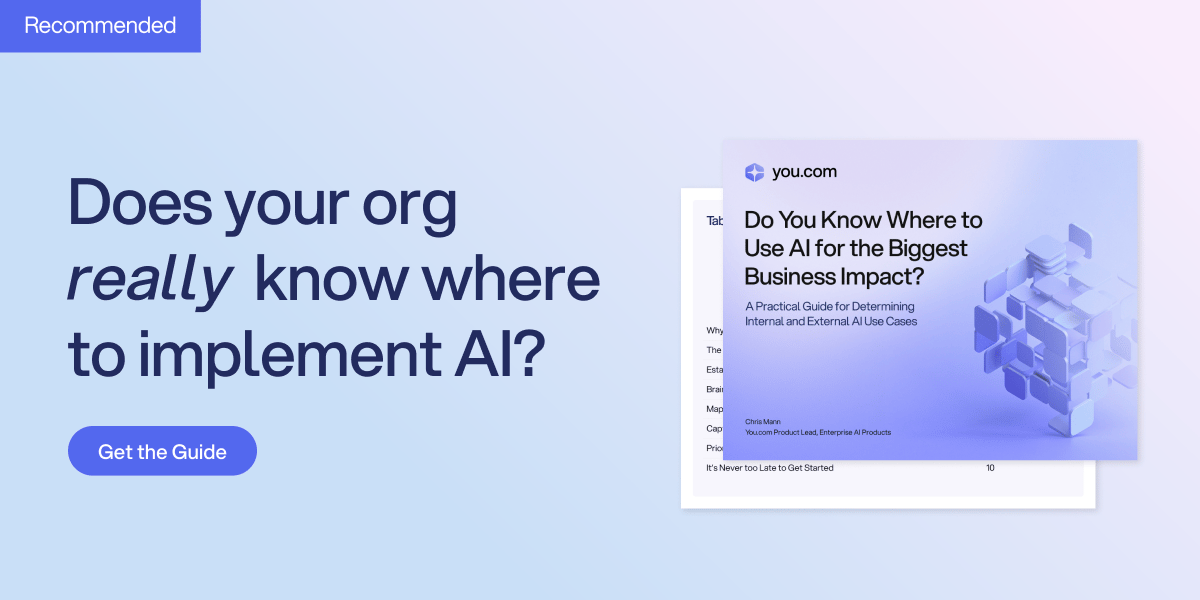
Successful AI transformation starts with deeply understanding your organization’s most critical use cases. We recommend this practical guide from You.com that walks through a proven framework to identify, prioritize, and document high-value AI opportunities.
In this AI Use Case Discovery Guide, you’ll learn how to:
Map internal workflows and customer journeys to pinpoint where AI can drive measurable ROI
Ask the right questions when it comes to AI use cases
Align cross-functional teams and stakeholders for a unified, scalable approach
Boardroom Brief
Virginia HOA Rules Ignite Legal Fight and National Scrutiny

A recent report on the Potomac Yard HOA in Alexandria, Virginia, highlights growing tension between community governance and homeowner rights as residents push back against an 89-page rulebook that bans sheds, play equipment, bird feeders, unapproved plants, and even most flags. With dues at $125 per month and violations carrying daily fines, one homeowner’s years-long challenge now headed to court, has drawn national attention and coincides with lawmakers in Florida openly questioning whether HOAs have become “authoritarian” and potentially a “failed experiment.” For HOA leaders, this case underscores the importance of clear, balanced, and defensible policies that prioritize community standards without overreaching into residents’ daily lives, especially as public scrutiny and legislative interest continue to intensify.
Game
🎉 Fun Finale: Play & Poll
How strict do you believe HOA rules should be when it comes to regulating personal property and lifestyle choices?(Tap on your answer) |
 Real workflows. Real results | Curious About Agentic AI?A FREE community where agentic AI workflows are built and shared. |
8 Weeks to Real Estate Investment Confidence

Join a global network of 5,000+ professionals in the Wharton Online + Wall Street Prep Real Estate Investing & Analysis Certificate.
In just 8 weeks, learn from top firms, collaborate on real-world case studies, and gain skills that last.
Save $300 with code SAVE300 + $200 with early enrollment by January 12.