- HOA Leaders' Brief
- Posts
- HOA Predictive Compliance Engine
HOA Predictive Compliance Engine
In partnership with


Good morning!
Going into the new year, I’m grateful for the way this team shows up - focused, thoughtful, and accountable. We’ll use AI as a tool, not a crutch, and keep doing the work that actually matters.
— Lucas Robinson, Founder & CEO at BudgetMailboxes.com
🎯 This Week’s Strategy:
HOA Predictive Compliance Engine
🌐 Boardroom Brief:
Governance, Transparency, and the Cost of Board Decisions
Strategy
🎯 HOA Predictive Compliance Engine
For HOA boards and managers, compliance enforcement is often reactive, responding to violations after they’ve already escalated into resident frustration, fines, or legal disputes. A Predictive Compliance Engine shifts this model from enforcement to prevention. By using historical data, pattern recognition, and proactive communication, HOAs can anticipate likely violations and address them early, reducing conflict while maintaining community standards.
Rather than relying solely on complaint-driven or inspection-only enforcement, this strategy enables boards to identify trends such as seasonal violations, repeat issues, or high-risk areas of the community, and intervene before problems multiply. The result is smoother operations, higher voluntary compliance, and stronger resident trust.
How HOA Leaders Can Implement a Predictive Compliance Engine
1. Analyze Historical Violation Data
Every HOA already has the foundation for predictive compliance: its past records. Reviewing violation history reveals patterns that are often overlooked.
Action Steps:
Compile at least 12–24 months of violation data (architectural issues, parking, trash, landscaping, noise, etc.).
Categorize violations by type, location, season, and recurrence.
Identify repeat violations or “hot spots” within the community.
2. Identify Predictable Triggers and Risk Periods
Most violations are not random, they follow predictable cycles tied to weather, holidays, move-ins, or life events.
Action Steps:
Map violations to seasonal triggers (e.g., trash overflow after holidays, landscaping issues in summer, holiday décor violations in winter).
Flag periods of increased risk, such as tenant turnover months or post-storm recovery.
Document common early warning signs (e.g., overgrown lawns preceding exterior violations).
3. Deploy Proactive Resident Communication
Once patterns are identified, proactive education becomes your most effective compliance tool.
Action Steps:
Send targeted reminders ahead of high-risk periods (e.g., “Summer Landscaping Standards” or “Holiday Decoration Guidelines”).
Use friendly, educational messaging rather than enforcement language.
Provide clear visuals or examples of compliant vs. non-compliant conditions.
4. Leverage Technology and Automation
Property management software can serve as the backbone of a Predictive Compliance Engine when used strategically.
Action Steps:
Set automated reminders tied to known violation cycles.
Use inspection tools to flag early indicators before formal notices are required.
Track response rates and compliance outcomes to refine future predictions.
5. Adjust Enforcement Policies Based on Insights
Predictive data should inform how, when, and where enforcement resources are deployed.
Action Steps:
Prioritize inspections in historically high-violation areas.
Implement grace periods or warning notices during predictable spikes.
Review fine structures to ensure they encourage correction rather than resentment.
Why It Matters
A Predictive Compliance Engine transforms compliance from a source of tension into a system of shared accountability. By anticipating issues before they escalate, HOAs reduce enforcement costs, limit resident disputes, and create a more cooperative community culture. In an environment where boards are increasingly expected to balance firmness with fairness, predictive compliance offers a smarter, more strategic path forward.
When HOAs move from reacting to violations to preventing them, compliance becomes not just a rulebook, but a service to the community.
Fuel your business brain. No caffeine needed.

Consider this your wake-up call.
Morning Brew}} is the free daily newsletter that powers you up with business news you’ll actually enjoy reading. It’s already trusted by over 4 million people who like their news with a bit more personality, pizazz — and a few games thrown in. Some even come for the crosswords and quizzes, but leave knowing more about the business world than they expected.
Quick, witty, and delivered first thing in the morning, Morning Brew takes less time to read than brewing your coffee — and gives your business brain the boost it needs to stay sharp and in the know.
Boardroom Brief
Governance, Transparency, and the Cost of Board Decisions
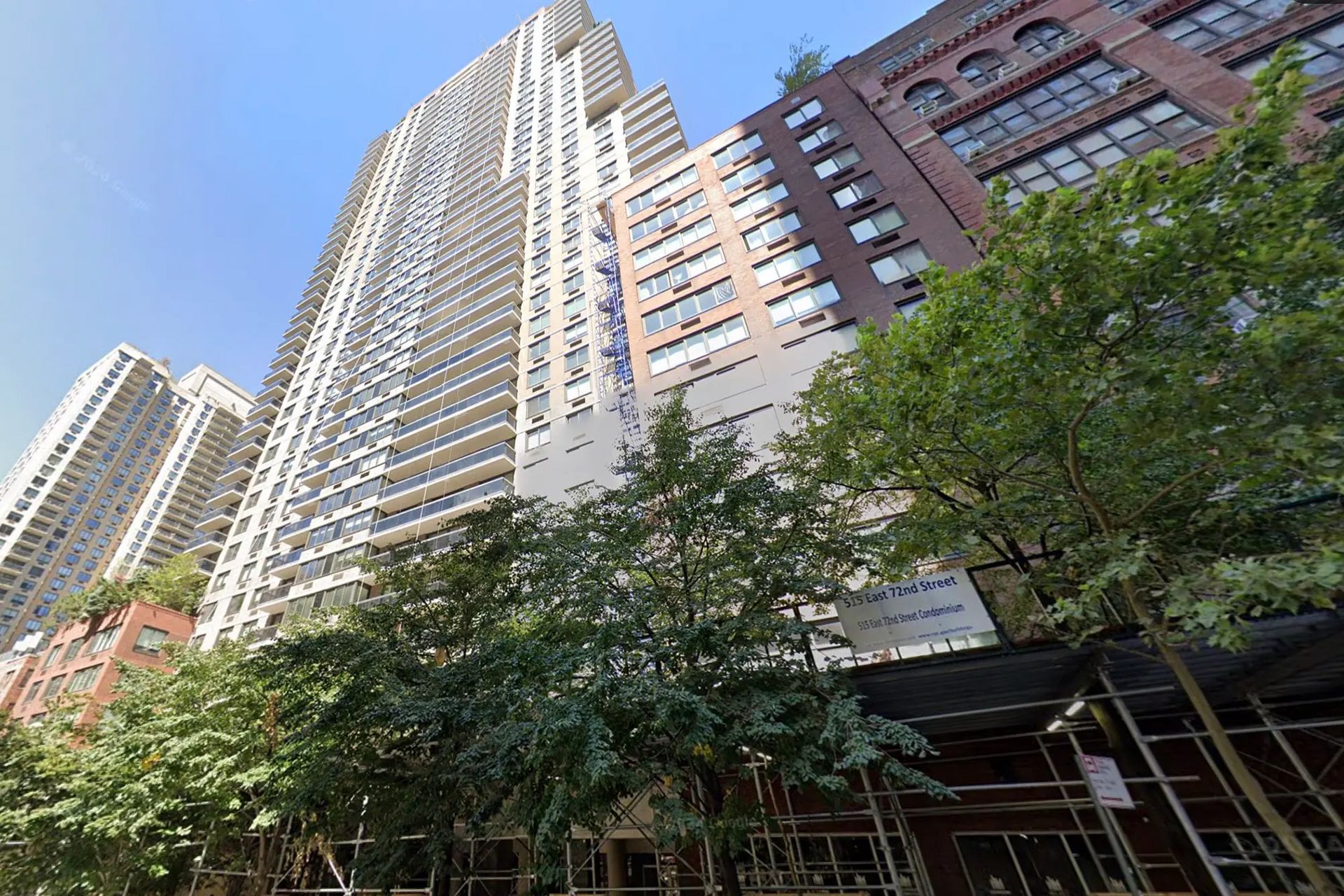
A lawsuit involving New York City’s self-described “first luxury spa condominium” is drawing attention to the governance risks boards face when financial decisions lack clear documentation and perceived independence. Residents allege that nearly $500,000 in common funds were used to repair a board member’s private unit for water damage without sufficient records, formal voting evidence, or timely disclosure—fueling accusations of conflict of interest and fiduciary overreach. While the board maintains the decision was lawful and intended to avoid higher insurance premiums, the situation underscores a critical lesson for HOA and condo leaders: even well-intentioned actions can erode trust if transparency, documentation, and conflict-of-interest safeguards are not rigorously followed. Clear approval processes, robust recordkeeping, and heightened scrutiny when board members are involved are essential to protecting both the association’s finances and its credibility.
Game
🎉 Fun Finale: Play & Poll
When an HOA or condo board must approve repairs to a unit owned by a board member, what is the most appropriate approach?(Tap on your answer) |
|
 Real workflows. Real results | Curious About Agentic AI?A FREE community where agentic AI workflows are built and shared. |
Wall Street’s Morning Edge.

Investing isn’t about chasing headlines — it’s about clarity. In a world of hype and hot takes, The Daily Upside delivers real value: sharp, trustworthy insights on markets, business, and the economy, written by former bankers and seasoned financial journalists.
That’s why over 1 million investors — from Wall Street pros to Main Street portfolio managers — start their day with The Daily Upside.
Invest better. Read The Daily Upside.