- HOA Leaders' Brief
- Posts
- HOA Experience Benchmarking Framework
HOA Experience Benchmarking Framework

Good morning!
We’re starting this week grounded and focused. The goal is simple: do the important work well and support each other while we do it. If we keep that standard, the week will be a success.
— Lucas Robinson, Founder & CEO at BudgetMailboxes.com
🎯 This Week’s Strategy:
HOA Experience Benchmarking Framework
🌐 Boardroom Brief:
Emergency Rules vs. Resident Safety: A Cold-Weather Wake-Up Call for HOA Boards
Strategy
🎯 HOA Experience Benchmarking Framework
For today’s HOA leaders, success is no longer measured solely by balanced budgets and well-maintained assets. Resident experience - how homeowners perceive communication, governance, amenities, and day-to-day living has become a defining factor in community stability, engagement, and long-term property values. The HOA Experience Benchmarking Framework provides boards with a structured way to evaluate their community’s performance against clear standards and comparable associations, turning subjective feedback into actionable insight.
Rather than relying on anecdotal complaints or occasional surveys, benchmarking allows HOAs to identify strengths, uncover gaps, and prioritize improvements that matter most to residents.
How HOA Leaders Can Implement an HOA Experience Benchmarking Framework
1. Define Core Experience Metrics
Start by determining what “experience” means in your community. Focus on measurable dimensions that directly affect residents’ daily lives.
Action Steps:
✅ Identify 5–7 key experience categories such as communication responsiveness, maintenance turnaround time, rule enforcement consistency, amenities satisfaction, financial transparency, and board accessibility.
✅ Define clear indicators for each category (e.g., average response time to homeowner inquiries, time to resolve maintenance requests).
✅ Align metrics with your community’s size, amenities, and governance structure.
2. Collect Standardized Resident Feedback
Reliable benchmarking depends on consistent, comparable data. Structured feedback provides clarity without amplifying isolated complaints.
Action Steps:
✅ Deploy annual or biannual resident surveys using standardized questions tied to your experience metrics.
✅ Use a mix of rating scales (e.g., 1–5 satisfaction scores) and limited open-ended questions.
✅ Ensure anonymity to encourage honest, constructive feedback.
3. Benchmark Against Peers and Past Performance
Benchmarking is most powerful when viewed in context - both externally and internally.
Action Steps:
✅ Compare results year-over-year to track improvement or decline in key areas.
✅ When possible, benchmark against similar HOAs (size, location, amenities) using management company data or industry reports.
✅ Identify where your HOA exceeds expectations and where it lags behind peer communities.
4. Translate Insights into Targeted Improvements
Data alone doesn’t improve experience, action does. Focus on high-impact opportunities rather than trying to fix everything at once.
Action Steps:
✅ Prioritize 2–3 experience gaps that score lowest or generate the most resident friction.
✅ Assign ownership (board member, committee, or manager) to each improvement initiative.
✅ Set measurable goals (e.g., reduce response times by 30%, increase satisfaction scores by one point).
5. Close the Feedback Loop with Residents
Transparency and follow-through are critical to maintaining trust and encouraging future participation.
Action Steps:
✅ Share high-level benchmarking results with residents, emphasizing trends and priorities rather than raw data.
✅ Clearly communicate what actions the board is taking in response to feedback.
✅ Revisit the same metrics in future surveys to demonstrate progress and accountability.
Why It Matters
An HOA Experience Benchmarking Framework transforms resident sentiment from a reactive challenge into a strategic leadership tool. By measuring what matters, comparing performance objectively, and acting decisively, HOA boards can improve satisfaction, reduce conflict, and strengthen community trust. In an environment where homeowner expectations continue to rise, experience benchmarking helps HOAs lead proactively rather than manage defensively.
Join All-in on AI:
The Community for Next-Gen Operators
Scale Smarter. Replace Repetition. | Tired of manual busywork? |
Boardroom Brief
Emergency Rules vs. Resident Safety: A Cold-Weather Wake-Up Call for HOA Boards
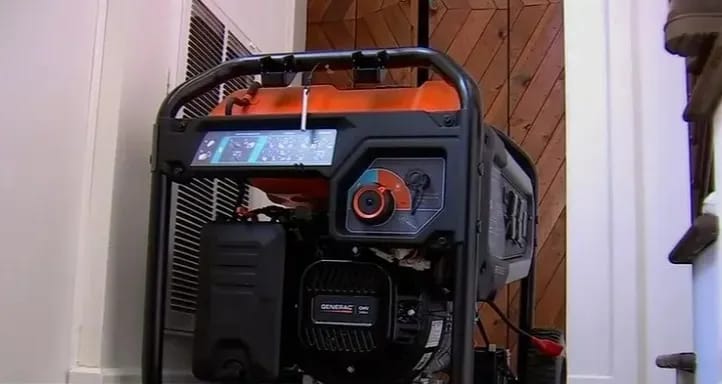
An HOA in Nashville drew national attention this week after threatening fines against a family for using a portable generator during a prolonged power outage caused by Winter Storm Fern, even as outdoor temperatures dropped into the single digits. The board initially cited aesthetic guidelines and noise concerns, ordering the generator’s removal while the home sat at 30°F inside, before reversing course and granting a one-time exception after media involvement. For HOA leaders, this incident underscores a critical governance lesson: rigid rule enforcement during emergencies can quickly escalate into reputational, legal, and trust risks. Associations should proactively define emergency-use exceptions (for generators, temporary equipment, and safety measures), empower managers to apply discretion during declared emergencies, and communicate clearly with residents before crises occur. In extreme conditions, boards are not just stewards of aesthetics - they are stewards of resident safety.
Game
🎉 Fun Finale: Play & Poll
When severe weather or other emergencies disrupt normal living conditions, how should HOA boards balance governing rules with resident safety?(Tap on your answer) |
