- HOA Leaders' Brief
- Posts
- Digital Member Lifecycle Mapping
Digital Member Lifecycle Mapping
In partnership with


Good morning!
January is about setting the pace, not the volume. We’re focusing on a few priorities that matter most and executing them with discipline, knowing momentum now compounds all year. Stay sharp, take care of each other, and keep pushing the work that moves the needle.
— Lucas Robinson, Founder & CEO at BudgetMailboxes.com
🎯 This Week’s Strategy:
Digital Member Lifecycle Mapping
🌐 Boardroom Brief:
A Parking Fine That Sparked an HOA Foreclosure Fight
Strategy
🎯 Digital Member Lifecycle Mapping
For HOA leaders, resident engagement is no longer a single touchpoint, it’s a continuous journey that begins before a homeowner moves in and extends through long-term residency, leadership participation, and eventual transition out of the community. Digital Member Lifecycle Mapping is a strategic approach that helps HOAs understand, manage, and improve every stage of that journey using intentional communication, data, and automation.
When lifecycle stages are clearly defined and supported digitally, HOAs can reduce confusion, increase compliance, improve satisfaction, and proactively address issues before they escalate. Rather than reacting to resident concerns, boards can guide residents with clarity and consistency.
How HOA Leaders Can Implement a Digital Member Lifecycle Mapping Strategy
1. Define the Key Stages of the Member Lifecycle
Start by outlining the major phases a homeowner experiences within your community.
Typical Lifecycle Stages:
Prospective buyer / incoming resident
New homeowner onboarding
Active resident (day-to-day living)
Engaged contributor (committees, volunteers, board candidates)
Transitioning resident (selling, renting, or leaving)
Action Steps:
Document each stage and its common questions, pain points, and responsibilities.
Identify where confusion, complaints, or non-compliance typically occur.
Prioritize stages with the highest impact on satisfaction and operations (often onboarding and transitions).
2. Map Digital Touchpoints to Each Stage
Once stages are defined, align them with the digital interactions residents should receive.
Action Steps:
Assign key communications to each stage (welcome emails, rule reminders, maintenance updates, voting notices).
Standardize documents and messaging so residents receive consistent information regardless of timing or board changes.
Eliminate gaps where residents are currently “left guessing.”
Example:
A new homeowner automatically receives digital access credentials, governing documents, payment instructions, and key contacts within their first week, rather than piecemeal over months.
3. Use Property Management Software to Automate Where Possible
Automation reduces administrative burden and ensures no resident falls through the cracks.
Action Steps:
Configure automated emails or portal notifications tied to lifecycle triggers (move-in dates, rule acknowledgments, election cycles).
Store documents centrally so residents can self-serve answers instead of contacting the board.
Track completion of required actions (form submissions, acknowledgments, payments).
4. Assign Ownership and Accountability
Digital systems only work if someone is responsible for maintaining them.
Action Steps:
Designate a board member, manager, or committee to oversee lifecycle communications.
Review lifecycle flows annually to ensure accuracy and relevance.
Update content when rules, vendors, or processes change.
5. Measure and Improve the Experience
Lifecycle mapping is not static, it should evolve based on feedback and outcomes.
Action Steps:
Monitor common support requests to identify breakdowns in communication.
Survey residents at key stages (post-onboarding, annual check-ins).
Adjust messaging and timing to reduce friction and improve clarity.
Why It Matters
Digital Member Lifecycle Mapping transforms HOA communication from reactive to strategic. It reduces administrative strain, improves compliance, and creates a more professional, predictable experience for residents. Most importantly, it builds trust by ensuring homeowners feel informed, supported, and confident in their association’s leadership at every stage of their time in the community.
For HOAs navigating increasing complexity and rising resident expectations, lifecycle mapping is a practical, scalable strategy that delivers measurable results.
The headlines that actually moves markets

Tired of missing the trades that actually move markets?
Every weekday, you’ll get a 5-minute Elite Trade Club newsletter covering the top stories, market-moving headlines, and the hottest stocks — delivered before the opening bell.
Whether you’re a casual trader or a serious investor, it’s everything you need to know before making your next move.
Join 200K+ traders who read our 5-minute premarket report to see which stocks are setting up for the day, what news is breaking, and where the smart money’s moving.
By joining, you’ll receive Elite Trade Club emails and select partner insights. See Privacy Policy.
Boardroom Brief
A Parking Fine That Sparked an HOA Foreclosure Fight
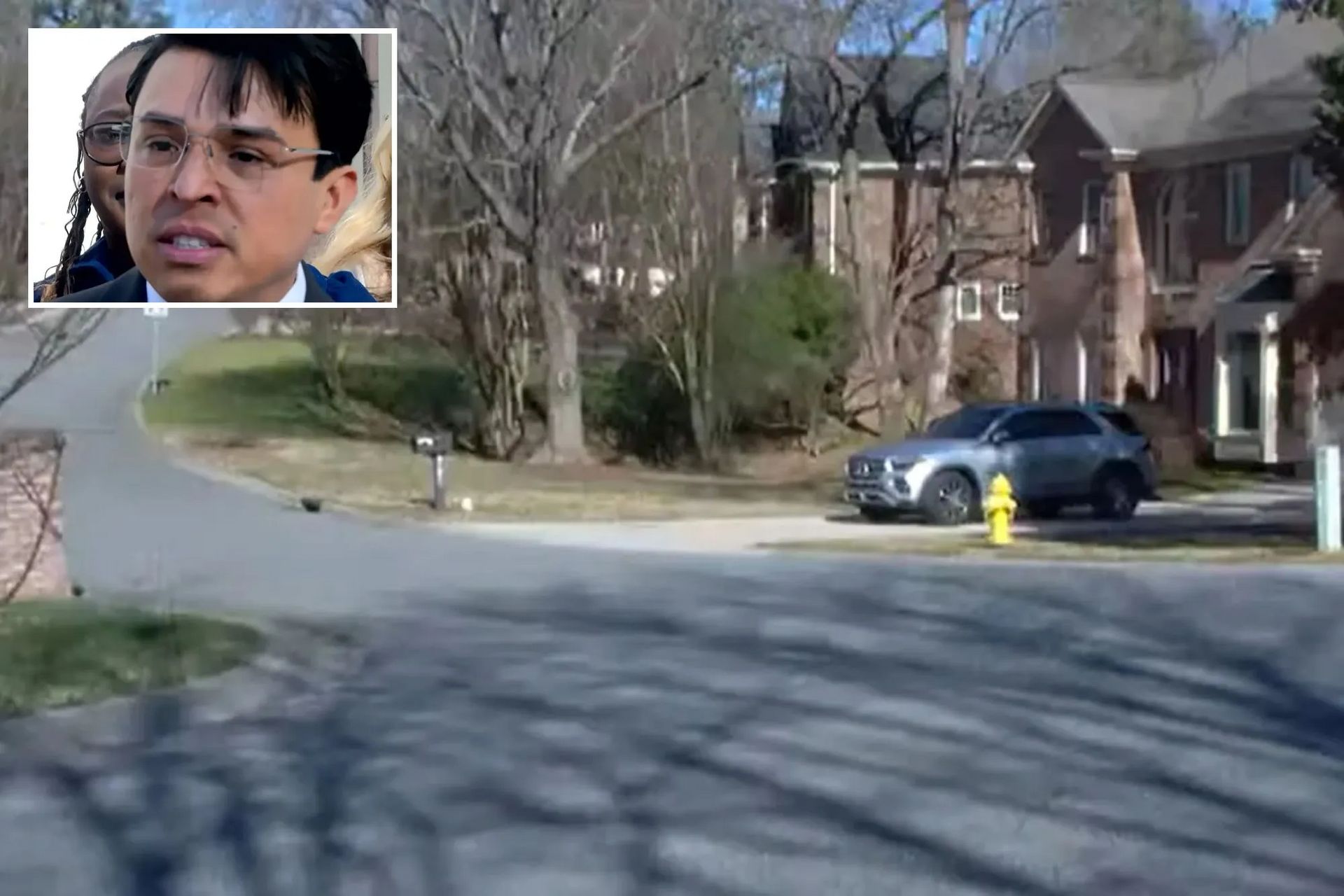
A recent North Carolina case underscores the growing scrutiny on HOA enforcement practices after a homeowner spent nearly four years fighting a $100 parking fine that escalated into liens and a threatened foreclosure, despite the resident being current on all assessments. The dispute, centered on alleged violations of commercial vehicle restrictions, ultimately resulted in thousands of dollars in penalties before the HOA withdrew its foreclosure action. For association leaders, this case highlights the critical importance of proportional enforcement, strict adherence to legal procedures, and clear documentation. Aggressive escalation over minor violations can expose associations to reputational damage, legal costs, and resident distrust, reinforcing the need for boards to regularly review enforcement policies, consult legal counsel before pursuing liens or foreclosure, and ensure that compliance actions align with both governing documents and state law.
Game
🎉 Fun Finale: Play & Poll
When enforcing minor rule violations (such as parking issues), what should be an HOA’s primary guiding principle?(Tap on your answer) |
 Real workflows. Real results | Curious About Agentic AI?A FREE community where agentic AI workflows are built and shared. |
But what can you actually DO about the proclaimed ‘AI bubble’? Billionaires know an alternative…

Sure, if you held your stocks since the dotcom bubble, you would’ve been up—eventually. But three years after the dot-com bust the S&P 500 was still far down from its peak. So, how else can you invest when almost every market is tied to stocks?
Lo and behold, billionaires have an alternative way to diversify: allocate to a physical asset class that outpaced the S&P by 15% from 1995 to 2025, with almost no correlation to equities. It’s part of a massive global market, long leveraged by the ultra-wealthy (Bezos, Gates, Rockefellers etc).
Contemporary and post-war art.
Masterworks lets you invest in multimillion-dollar artworks featuring legends like Banksy, Basquiat, and Picasso—without needing millions. Over 70,000 members have together invested more than $1.2 billion across over 500 artworks. So far, 25 sales have delivered net annualized returns like 14.6%, 17.6%, and 17.8%.*
Want access?
Investing involves risk. Past performance not indicative of future returns. Reg A disclosures at masterworks.com/cd