- HOA Leaders' Brief
- Posts
- AI-Powered Energy Consumption Forecasting
AI-Powered Energy Consumption Forecasting
Sponsored by


Good morning!
April is closing out, and the pace we’ve set this month matters more than any single win-we’re building consistency. I’m focused on tightening execution and making sure the small improvements we’ve made actually stick. Let’s carry that discipline forward and finish this week with intention.
— Lucas Robinson, Founder & CEO at BudgetMailboxes.com
🎯 This Week’s Strategy:
AI-Powered Energy Consumption Forecasting
🌐 Boardroom Brief:
When Rule Enforcement Backfires: Lessons from a High-Profile HOA Dispute
Strategy
🎯 AI-Powered Energy Consumption Forecasting
In an era of rising utility costs and increasing pressure to operate sustainably, understanding and anticipating energy usage has become a strategic advantage for Homeowners' Associations (HOAs). AI-Powered Energy Consumption Forecasting enables HOA leaders to move beyond reactive utility management and instead make data-driven decisions that reduce costs, improve efficiency, and support long-term planning. By leveraging historical data and predictive analytics, HOAs can better anticipate energy demand, optimize budgets, and identify opportunities for conservation across shared community assets.
How HOA Leaders Can Implement AI-Powered Energy Consumption Forecasting
1. Centralize and Analyze Historical Energy Data
Accurate forecasting starts with clean, consolidated data. HOAs need a clear picture of past energy usage across common areas and shared systems.
Action Steps:
✅ Gather 12–36 months of utility data for electricity, gas, and water across all common facilities (clubhouses, lighting, elevators, etc.).
✅ Use property management or energy management software to centralize this data.
✅ Identify usage patterns tied to seasonality, occupancy, and major events.
2. Adopt AI-Enabled Energy Management Tools
Modern platforms can analyze historical trends and generate highly accurate forecasts using machine learning models.
Action Steps:
✅ Evaluate energy management platforms that offer AI forecasting capabilities (many integrate with existing building systems).
✅ Choose tools that provide predictive insights, not just dashboards.
✅ Ensure compatibility with smart meters or IoT devices, if available.
3. Integrate External Variables into Forecasting
Energy usage doesn’t exist in a vacuum - factors like weather, occupancy, and local rate changes significantly impact consumption.
Action Steps:
✅ Incorporate weather data (temperature, humidity) into forecasting models.
✅ Factor in community usage trends such as peak amenity hours or seasonal occupancy shifts.
✅ Monitor utility rate structures to anticipate cost fluctuations.
4. Use Forecasts to Optimize Budgeting and Operations
Forecasting is only valuable if it informs action. Use insights to proactively manage both costs and consumption.
Action Steps:
✅ Align annual budgets with projected energy costs to avoid shortfalls.
✅ Adjust HVAC schedules, lighting, and irrigation systems based on predicted demand.
✅ Identify high-consumption areas and prioritize them for efficiency upgrades.
5. Communicate Insights and Drive Community Engagement
Transparency and participation can amplify the benefits of energy forecasting.
Action Steps:
✅ Share key insights with board members and residents through reports or dashboards.
✅ Educate residents on energy-saving initiatives tied to forecasted trends.
✅ Encourage behavioral changes (e.g., reduced peak-time usage) through community campaigns.
Why It Matters
AI-powered energy forecasting transforms energy management from a reactive expense into a strategic lever. For HOAs, this means fewer budget surprises, improved operational efficiency, and measurable progress toward sustainability goals. As utility costs continue to rise and environmental expectations grow, leveraging predictive technology positions HOA leaders to make smarter decisions that benefit both the community and its bottom line.
Learn why a great property doesn’t always make a great deal.

Wharton Online’s Real Estate Investing Certificate Program teaches the same analytical framework used by institutional real estate investors and experienced operators alike.
Get the same hands-on training used at BlackRock, KKR, and other top firms
Earn a globally recognized certificate from a top business school
Collaborate in LIVE office hours with Wharton faculty and investing practitioners from Wall Street Prep
Join the next cohort starting June 8. Use code SAVE300 to get $300 off tuition.
Boardroom Brief
When Rule Enforcement Backfires: Lessons from a High-Profile HOA Dispute
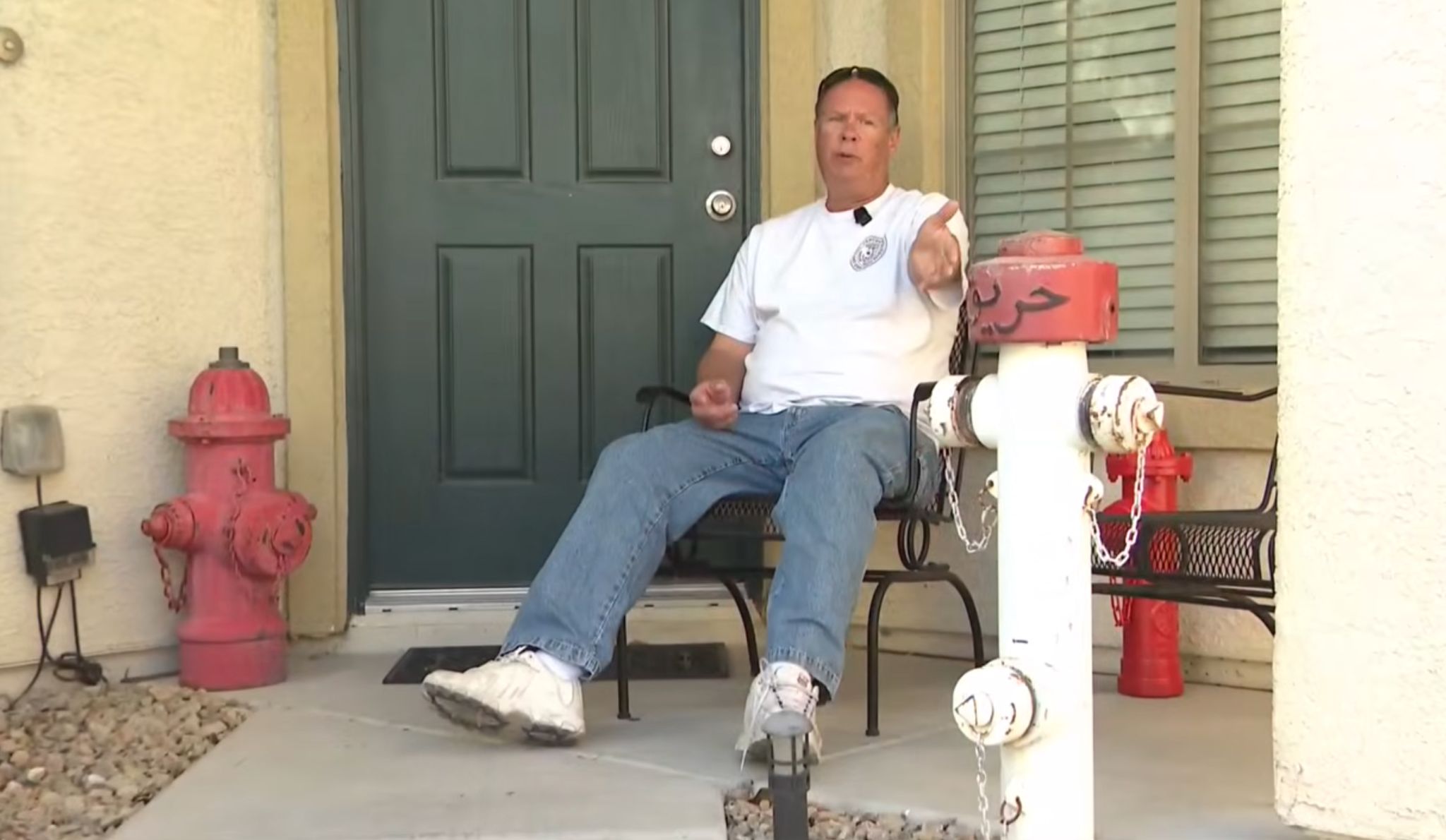
A recent dispute in Las Vegas highlights a recurring challenge for HOA boards: the risk of misapplying governing documents and eroding resident trust. A military veteran and longtime firefighter was cited by his HOA for displaying non-operational vintage fire hydrants - items with personal and professional significance - under rules intended for “storage” violations. Despite neighbor support and an initial denial of his appeal, the association ultimately reversed its decision, but not before public backlash and reputational damage. For HOA leaders, this case underscores a critical operational principle: enforcement must be precise, consistent, and context-aware. Misclassification of violations, unclear approval processes, or shifting requirements can quickly escalate into conflict, even when intentions are valid. Boards should regularly review their enforcement frameworks, ensure architectural guidelines clearly distinguish between storage and decorative elements, and document decisions carefully to avoid ambiguity. In today’s environment, where disputes can quickly gain visibility, disciplined governance is not just about compliance, it’s essential to maintaining community confidence.
Game
🎉 Fun Finale: Play & Poll
How does your HOA handle rule enforcement when situations fall into gray areas?(Tap on your answer) |
 Real workflows. Real results | Curious About Agentic AI?A FREE community where agentic AI workflows are built and shared. |
Great property…but would the IC approve the deal?

Enrollment closes soon for the June 8 cohort of Wharton Online's Real Estate Investing & Analysis Certificate Program:
Institutional-grade underwriting and deal analysis
A 5,000+ global graduate network sharing deals, models, and opportunities
Ongoing access to events and meetups
Join the next cohort starting June 8. Use code SAVE300 to get $300 off tuition.